Sale

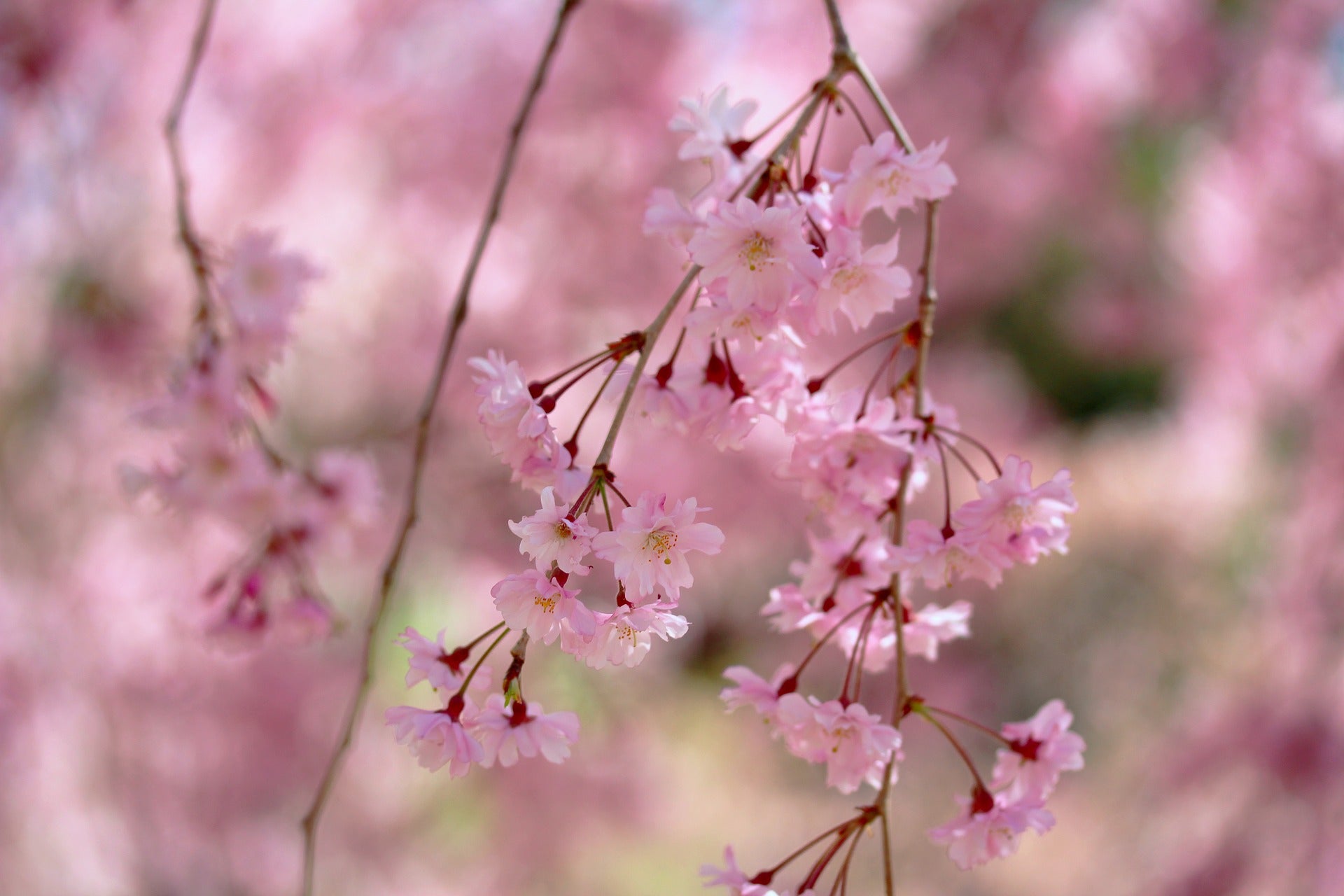
Double Pink Weeping Cherry Blossom Tree - Bright pink blossoms cascade down like a cherry blossom waterfall. (2 years old and 4 feet tall.)

SKU: FLWC002
Regular price $59.99 $49.99 17% off
Unit price
per 
 
Shipping calculated at checkout.

Description

The Double Pink Weeping Cherry is one of the most popular and widely acclimated cherry blossom cultivars and is known by several other names including “Pendulum” and “Pendula Plena Rosea”. Its worldwide adoration is well-deserved on account of its gracefully weeping branches, which allow for a considerably compact form, and also for the stunning bright pink blossoms which cascade down the limbs in early spring. The bright pink blossoms bloom double, meaning two flowers appear for every bud on the tree! This cherry blossom tree is ideal for landscapes desiring multi-seasonal beauty, as the leaves turn bright yellow in autumn and the weeping limbs draw much interest in the summertime. The Double Pink Weeping Cherry is one of the worlds favorite blossom trees, beautifully complementing any landscape.


What’s great about the Double Weeping Cherry?

  • Beloved worldwide for its unique weeping limbs and wide adaptability.
  • Bright pink double-blossoms grow for every single bud on the tree!
  • The weeping branches allow for a considerably compact ornamental cherry tree.
  • This is both a modern and an ancient favorite, as its cultivation dates back to at least 17th Century Japan.
  • The Double Weeping Cherry has received the Award of Garden Merit from The Royal Horticultural Society for its elegance and beauty. 


Frequently Asked Questions

How big will it get

It depends on the tree, and this page lists its size. Some grow large: a tulip tree can top 100 feet. Others stay narrow, like the Amanogawa flowering cherry, at about 8 to 10 feet wide. Check the spread as well as the height before you pick a spot.

Should I prune it when I plant it?

No. Leave the branches on, except broken or dead ones. The leaves make the food a new tree needs to grow roots, and cutting the top back doesn't help it recover from transplanting. Start shaping it after a year or two.

When should I prune it after that?

Wait a year or two. Prune flowering cherries and plums right after they flower, once the new leaves have matured, which protects next spring's flowers and cuts down on sap bleeding. Maples bleed sap when pruned in late winter. It looks alarming but doesn't harm the tree, and pruning after the leaves open cuts down on it.

How long do I need to water it?

Plan on at least the first three years. Check the soil before you water, and water when it's dry. When you do, give it a slow, deep soak instead of frequent light sprinkles.

My crabapple has orange spots, or its leaves are falling off in summer.

Orange spots are most likely cedar-apple rust, a fungus whose spores blow in from junipers and red cedars. Olive-green spots followed by yellow leaves that drop by midsummer usually mean apple scab. Spraying won't help once spots show. Rake up and throw away fallen leaves, and cut any galls (round, woody lumps) off nearby junipers before spring.

Is a flowering pear invasive?

It can be. Flowering pears are Callery pear varieties, and when different varieties grow near each other they can cross-pollinate and set seed that birds spread. Several states, including Ohio, Pennsylvania, South Carolina and Maryland, now ban or restrict it, so check your state's rules before you plant.

How do I tell the varieties apart on a multi-variety cherry blossom tree?

Each grafted variety carries its own tag. A shoot from the ground, or from the trunk below the lowest graft union (the knobby joint where a variety was joined on), is a sucker from the rootstock and won't carry any of the blossom varieties. Rub it off while it's small.

What will my tree look like when it arrives?

It depends on when it ships. In the dormant season, while trees rest over winter, it arrives bare root: no leaves, no soil, and roots wrapped in a damp packing mix. That's what a healthy dormant tree looks like. When it's actively growing, the same tree ships potted and in leaf. If the roots are dry or mushy, or anything looks damaged, contact us that day with photos.

How soon will it leaf out?

Most bare root trees planted in spring show new growth within a few weeks. Some take longer, especially after a cold spring, and a tree planted in fall waits for spring. Fall planting works best where winters are mild, generally zones 7 through 9. Every region has its own climate and microclimates, and varieties vary widely in when they first break bud in spring. To check on your tree, scrape a tiny patch of bark near the top with your thumbnail: green underneath means it's alive. If it's been 45 days since spring planting with no new growth, or 30 to 45 days since other trees of the same kind in your area leafed out, please contact us.

What if I can't plant it right away?

Keep the roots cool and damp, out of sun and wind, and keep the tree shaded and as cool as possible. Plant within a couple of days if you can. In cold storage at about 37°F, a dormant tree keeps for months without harm, as long as you water the roots now and then. Without cold storage, heel it in for a longer wait: lay it in a shallow trench and cover the roots with soil.